


Whoa! I still remember the first time I watched someone paste their seed phrase into a random chat. It was one of those gut‑punch moments that makes you squint and say “Seriously?” out loud. My instinct said: somethin’ about this is very very wrong. Initially I thought folks just needed better passwords, but then I realized the problem runs deeper—browser wallets are both convenience and a single point of failure when you mix multiple chains, approvals, and dapps all at once.
Here’s the thing. A browser extension wallet sits in a weird middle place between an app and your browser, so it inherits the risk profile of both environments. Phishing, malicious sites, and rogue extensions can conspire to make you sign things you shouldn’t. On one hand the UX is great—fast swaps, approvals in seconds—though actually, on the other hand, speed makes mistakes more likely when users aren’t paying attention. Hmm… that speed tradeoff is the core tension in DeFi security.
Let’s map the threat model briefly. Short version: seed phrase compromise, malicious contracts, and over-privileged approvals are your top three. Medium version: social engineering and clipboard malware sneak up on you. Longer bit: browser vulnerabilities and extension permission creep mean a seemingly benign plugin can become a pivot point for attackers, especially if you reuse accounts across chains or give blanket approvals to sprawling DeFi platforms.
I’ll be honest—this part bugs me. Too many guides stop at “use a hardware wallet” and leave out the messy middle: how to use a browser wallet safely when you still want the speed and flexibility of a multi‑chain setup. Okay, so check this out—there are practical steps that matter more than jargon, and they scale from casual users to power traders.
Practical Guardrails for Multi‑Chain Browser Wallets
Whoa! Start small. Create separate accounts for different purposes: one for high‑value holdings (ideally a hardware‑backed account), one for testing and low‑value swaps, and one limited to interacting with specific dapps. This reduces blast radius. I’m biased, but compartmentalization is the single most underrated safety habit—treat your accounts like separate bank accounts with different risk profiles.
Use approval managers religiously. Medium sized approvals are easy to miss. Longer explanation: many tokens and protocols ask for “infinite” approval which lets a contract spend your tokens forever unless you revoke it, and attackers love that because one exploit equals draining. Tools are available inside some wallets to revoke approvals, and you should check them monthly or after major trades… yes, even when you’re in a hurry.
Hardware wallets are great. They add a physical confirmation step that phishing sites can’t fake. But: they also slow you down and aren’t perfect if you’re careless about USB/firmware updates or the supply chain. Initially I thought cold storage solved everything, but then realized users still sometimes paste seed phrases into web forms and undermine the whole setup; so training yourself to never export a seed except to trusted firmware tools matters.
Account management across chains gets messy. Multi‑chain means different networks, different token standards, and different scammers. On some chains the tooling is immature and scams are rampant. On the flip side, new chains can be cheaper for experimentation. My working rule: keep low‑value experimentation on new chains, and keep high‑value positions on the chains and apps you know well.
Why Interface Design and UX Matter for Safety
Whoa! UX choices nudge behavior. Small design changes can prevent huge losses. A wallet that warns you about contract approvals in plain language will stop more people than a ten‑page PDF on “best practices.” Seriously—language, color cues, and microcopy save money (and feelings).
Design alone isn’t enough though. Users still need clear, actionable steps after a warning, not just cryptic gas fee numbers. Longer thought: if you tell someone “this contract can transfer unlimited tokens,” follow up with a one‑click path to revoke that approval and explain what it does in a sentence that doesn’t sound like a legal contract—real human words.
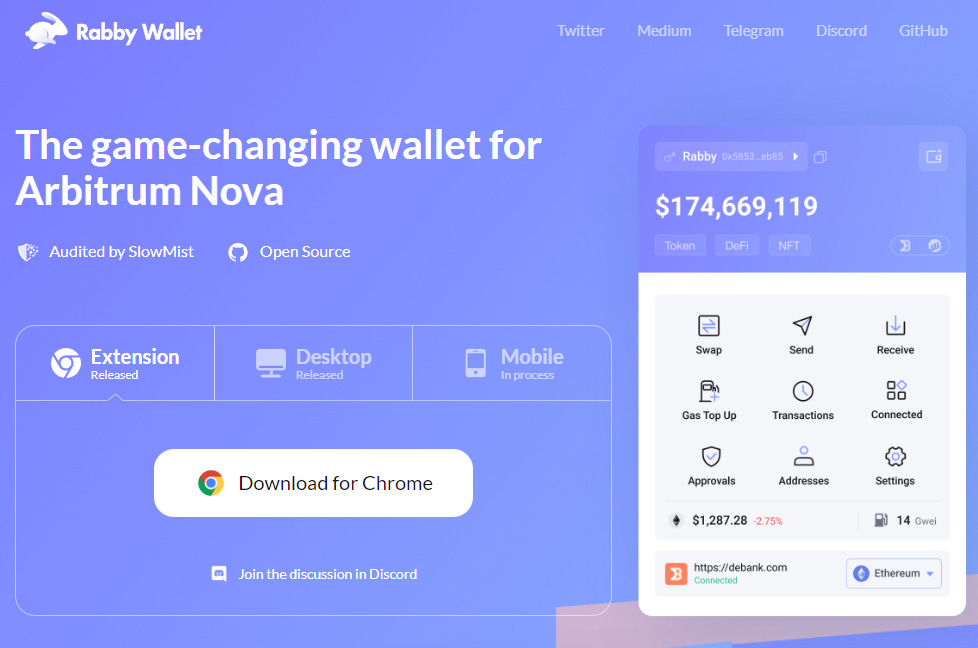
One practical recommendation: pick a wallet that balances security tools with clarity. For multi‑chain users who need approvals, batching, and permission inspection built into the extension, consider wallets that expose these features natively without making you leave the browser. For me, a wallet that surfaces approval lists, lets you simulate transactions, and supports hardware signing is a winner. For example, when I wanted a wallet that handled multiple chains while still giving granular control over permissions, I tried rabby wallet and found its approval manager and account separation features helpful for day‑to‑day risk reduction.
Okay, a small digression (oh, and by the way…)—automated transaction simulation is another UX win. If your wallet can show “this transaction will call X method and transfer Y tokens” before signing, you can catch a lot of scams. Some wallets do this poorly; others do it pretty well. I’m not 100% sure which will be best in six months, but it’s a worthwhile metric when choosing a wallet today.
Operational Habits That Save Real Money
Whoa! Routine matters. Backups, firmware updates, and daily review rituals are low glamour but high payoff. Make a weekly habit: check approvals, confirm recent transactions, and verify extension permissions in your browser. This reduces the chance of a slow drain or unnoticed exploit.
Don’t trust popups. Medium advice: treat any unexpected signature request as hostile until proven otherwise. Long version: signing a message can be harmless, but in DeFi it often means you authorize a contract action; context is everything. If you can’t explain in plain words what the signature does, don’t sign it—period.
Keep some funds off‑wallet when you can. On‑chain liquidity is convenient but on‑chain custody is riskier. Use custodial or multisig solutions for truly large allocations when the tradeoffs make sense. On the other hand, for active trading, keep a small operational balance in your browser wallet and move funds in and out as needed.
FAQ
How often should I revoke approvals?
Every month is a good cadence for active users; after big trades or suspicious interactions you should revoke immediately. If you interact with a lot of dapps, check weekly. Tools that show “last used” timestamps help prioritize what to revoke first.
Is a browser wallet safe for long‑term storage?
No. Treat browser wallets as operational accounts. For long‑term storage use a hardware wallet with cold storage practices or a multisig with distributed signers. That said, a browser wallet paired with a hardware signer can be a good middle ground for frequent but secure access.
Can multi‑chain support increase risk?
Yes. Each additional chain adds another ecosystem of smart contracts, bridges, and tooling, which increases your attack surface. Use chain segregation—different accounts for different chains—and be cautious with bridges and cross‑chain approvals.


